Choosing the Right Loft Ladder for Your Devon Home
Loft Ladders Devon | How to Choose | LaddersaLoft
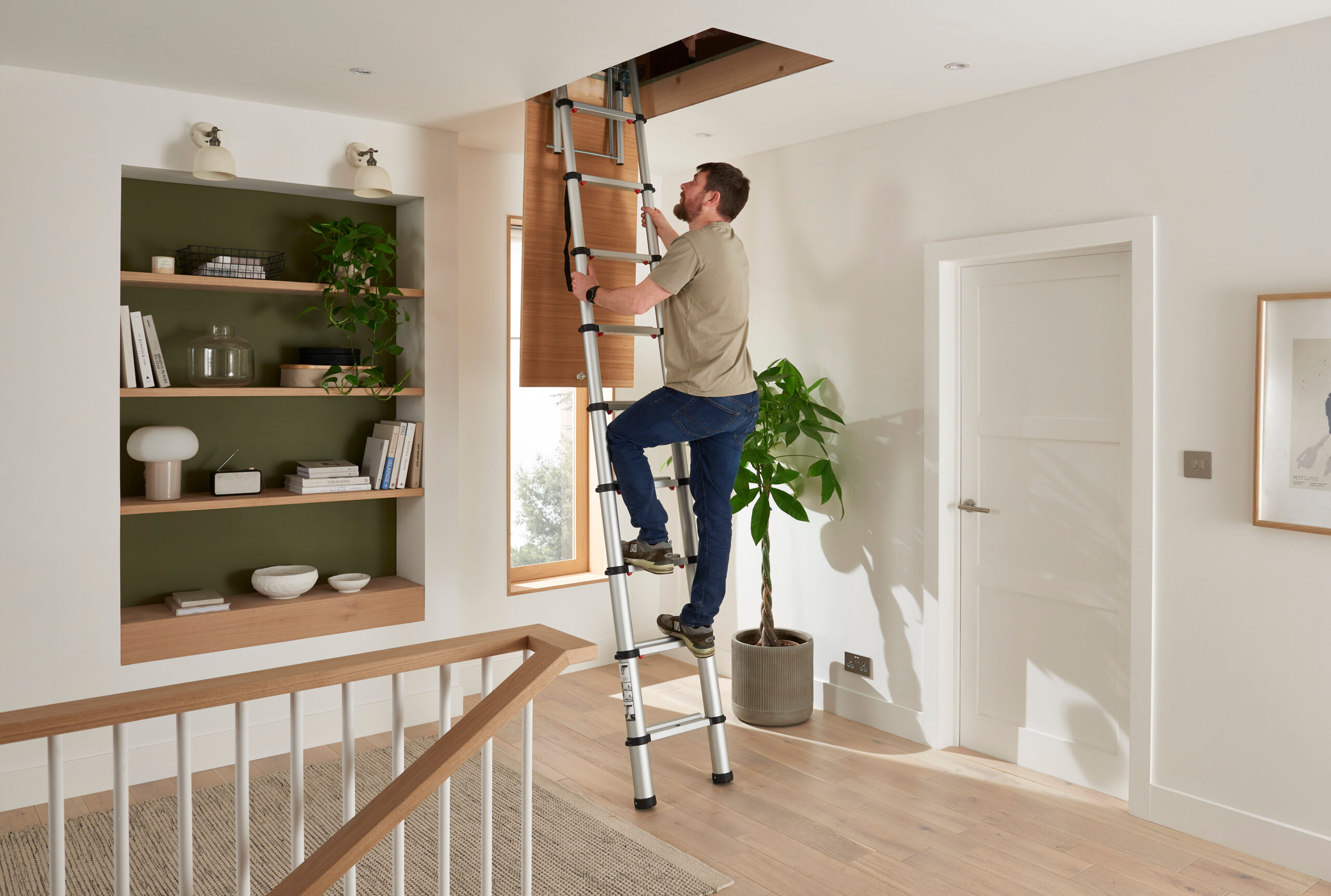
A loft ladder should make access easier
If you have useful loft storage but dread balancing on a stepladder beneath the hatch, the right fitted loft ladder can make a noticeable difference. There is no single best model for every home. The ideal choice depends on how often you use the loft, the size and position of the opening, available landing space and how much room there is above the ceiling. For homes in Exeter, Newton Abbot, Torquay, Paignton and East Devon, we usually recommend starting with the practical requirements rather than choosing a ladder from a photograph.
Aluminium loft ladders: practical and lightweight
Aluminium loft ladders are popular because they are generally lightweight and straightforward to operate. Sliding and folding designs can suit many existing loft hatches, although the exact clearance requirements vary by product. They are often a sensible choice for occasional access to suitcases, decorations and stored household items. Some models include handrails or other useful features. Before choosing one, check the manufacturer's stated load rating, the floor-to-ceiling height and the space needed to extend and use it. The ladder must be installed in accordance with its instructions and be compatible with the hatch and supporting structure.
Timber loft ladders: a more integrated option
Timber folding ladders are commonly supplied as part of a combined ladder-and-hatch unit. They can feel reassuring underfoot and offer a neat, integrated finish, particularly where a new opening or replacement hatch is already being planned. Many have an insulated trapdoor, helping to limit draughts between the home and the loft. However, they are not automatically the best option for a tight landing. The swing and unfolding clearance must be checked carefully, along with the dimensions of the ceiling opening and the headroom above it.
Compact and specialist ladders
Some homes have limited landing space, an awkward hatch position or other constraints that make standard folding and sliding ladders impractical. Depending on the situation, telescopic, concertina or other compact loft access designs may be worth considering. These products have different operating methods, load limits and installation requirements. A compact ladder should still provide secure footing and suitable access for the person using it. If the opening is poorly positioned, changing the hatch may be a better long-term solution than trying to force a ladder into the existing space.
Do not overlook the loft hatch
The hatch is an important part of the installation. A poorly fitting hatch can be draughty, awkward to open and difficult to use with a ladder. A suitable insulated hatch can improve the finish and help reduce heat loss through the opening. Some installations call for a standard replacement hatch, while others benefit from a made-to-measure option. If a larger opening is proposed, the surrounding ceiling structure needs careful consideration. Structural members must not be cut or altered without appropriate assessment and any required approval. The aim is safe, convenient access without creating unnecessary disruption.
Five things to check before choosing
First, measure the floor-to-ceiling height accurately. Second, consider how much clear space you have on the landing when the ladder is extended. Third, look at the loft opening and the headroom immediately above it. Fourth, think about how frequently the loft will be used and who will operate the ladder. Finally, consider whether insulation, lighting or raised boarding would make the space more useful at the same time. These details help narrow down the options quickly. A ladder that looks attractive on paper may be unsuitable if it cannot unfold safely in your home.
Installation and everyday safety
Even a well-made ladder needs correct fitting and sensible use. Follow the manufacturer's operating instructions and load limit, maintain three points of contact where possible and avoid carrying bulky items that prevent a secure grip. Keep the landing below the hatch clear. A loft ladder is for access to appropriate storage, not a replacement for a permanent staircase to a habitable room. We also recommend considering lighting near the access point so that you can see where you are stepping. If there is any doubt about the opening, supporting timbers or structural suitability, further professional assessment may be needed.
Get advice for your property
At LaddersaLoft, we install loft ladders and hatches alongside raised boarding, insulation, shelving and LED loft lighting. We work across Exeter, Exmouth, Sidmouth, Honiton, Newton Abbot, Torquay, Paignton and surrounding Devon areas. During a FREE loft survey, we can assess the accessible space, discuss how you use the loft and explain the options that suit your property. If you are considering a new loft ladder, visit www.laddersaloft.co.uk or email enquiries@laddersaloft.co.uk to arrange a survey.